Founders, first.
Before the milestones and the headlines, there was a person with an idea. Explore the origins, turning points and operating decisions behind 50 founder journeys.

A different kind of ambition: the Zerodha story
A trader’s problem. A bootstrapped beginning. The conviction behind Nithin Kamath’s Zerodha.

Falguni Nayar’s second act was only the beginning.
How a career in finance led to a new chapter in beauty, commerce, and customer trust.

Big ambitions. Smaller towns. The Zoho story.
Sridhar Vembu and the idea that where you build can be part of what you build.
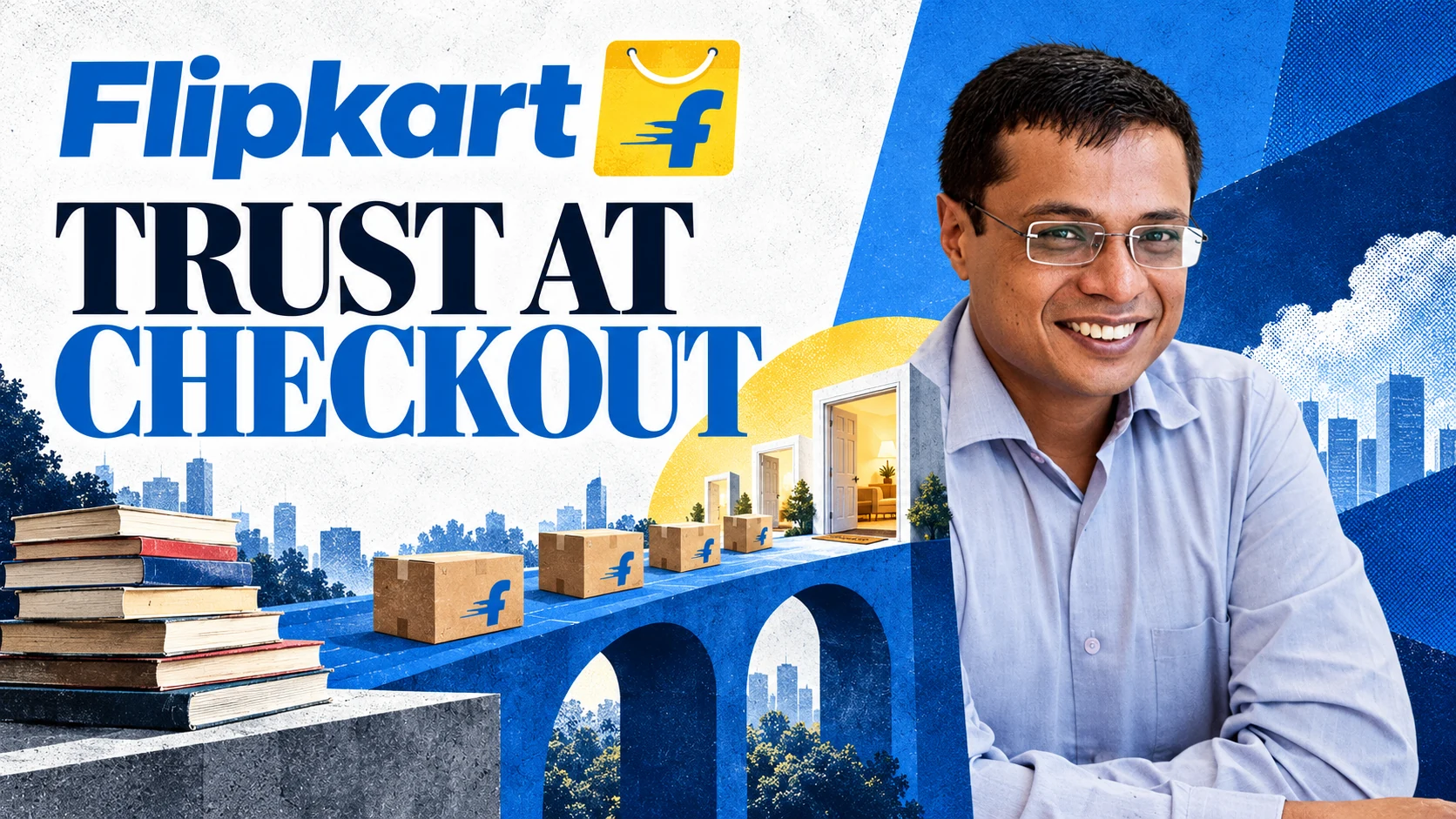
Sachin Bansal and the work of earning an online shopper’s trust.
Flipkart’s early bookstore offers a useful lens on the infrastructure behind a new consumer habit.

Deepinder Goyal: when restaurant discovery became a marketplace.
Zomato’s journey shows how solving an information problem can open a much larger operating challenge.
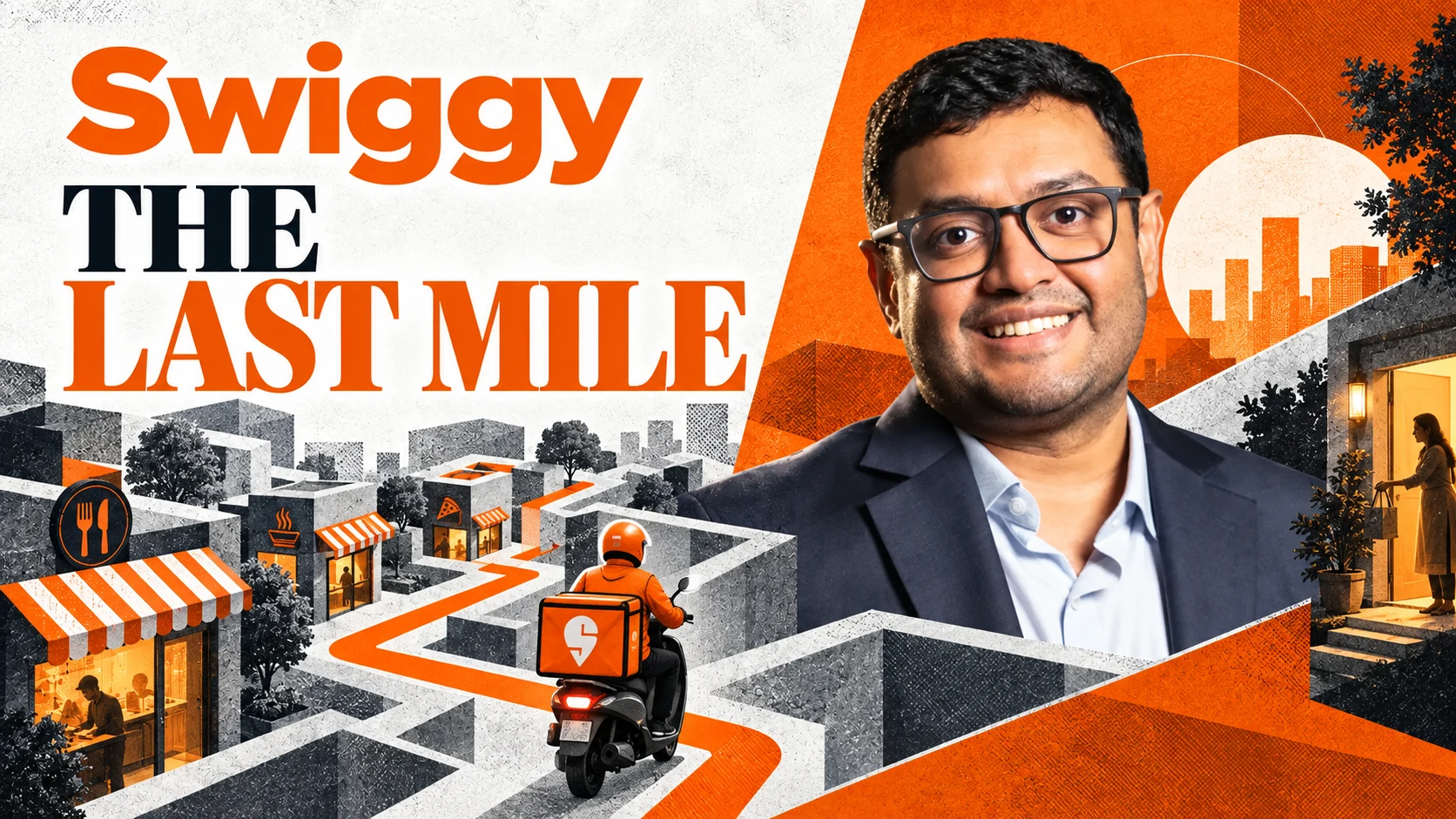
Sriharsha Majety and the last mile behind a simple order.
The Swiggy story puts coordination, delivery and everyday reliability at the centre of a consumer product.
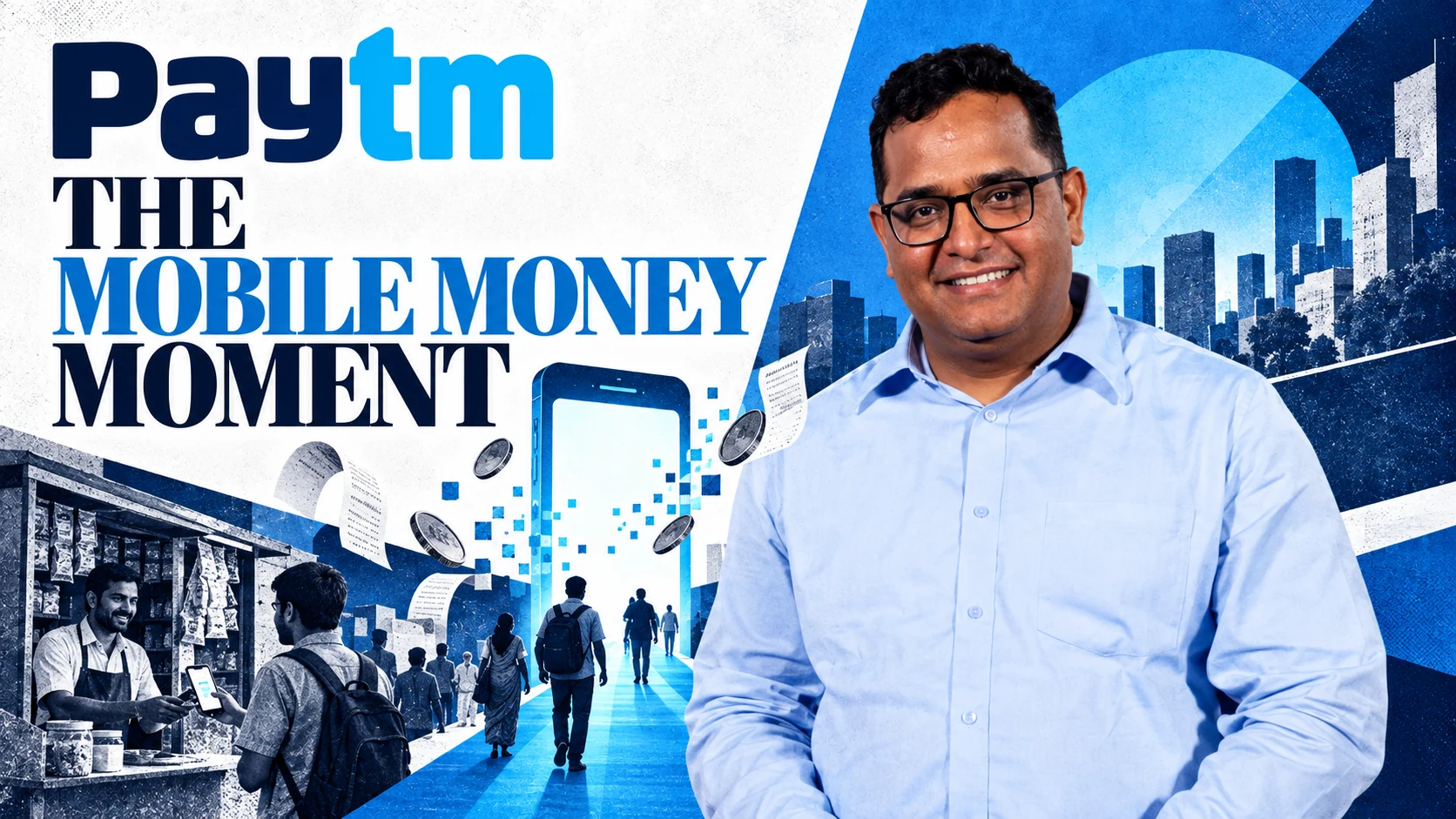
Vijay Shekhar Sharma and the work behind a mobile payment.
Paytm’s merchant and consumer products reveal why a payment experience has to serve both sides of a transaction.
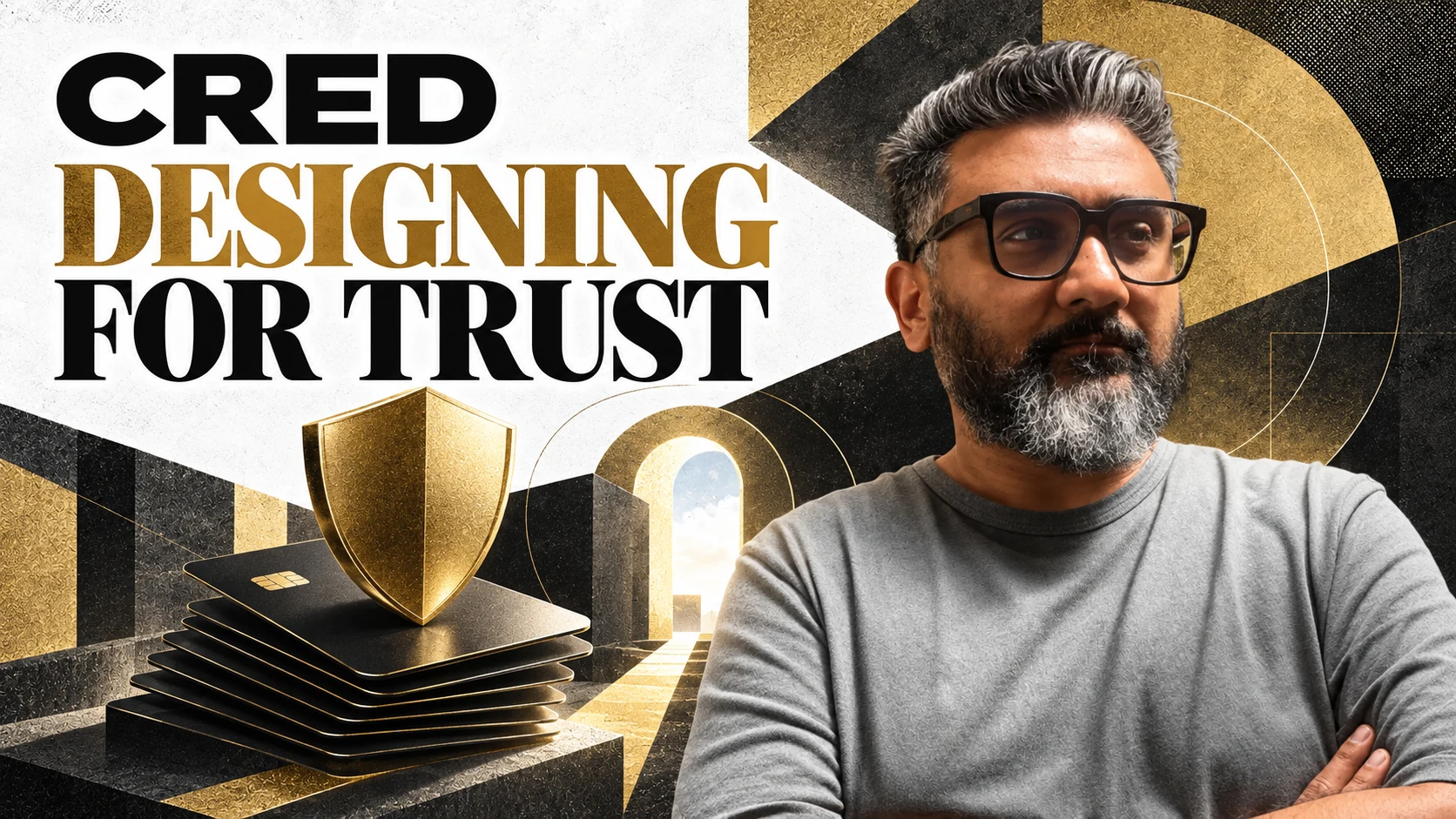
Kunal Shah’s CRED and the decision to build for a defined audience.
A product organised around credit-card payments raises a broader question about focus, membership and useful design.
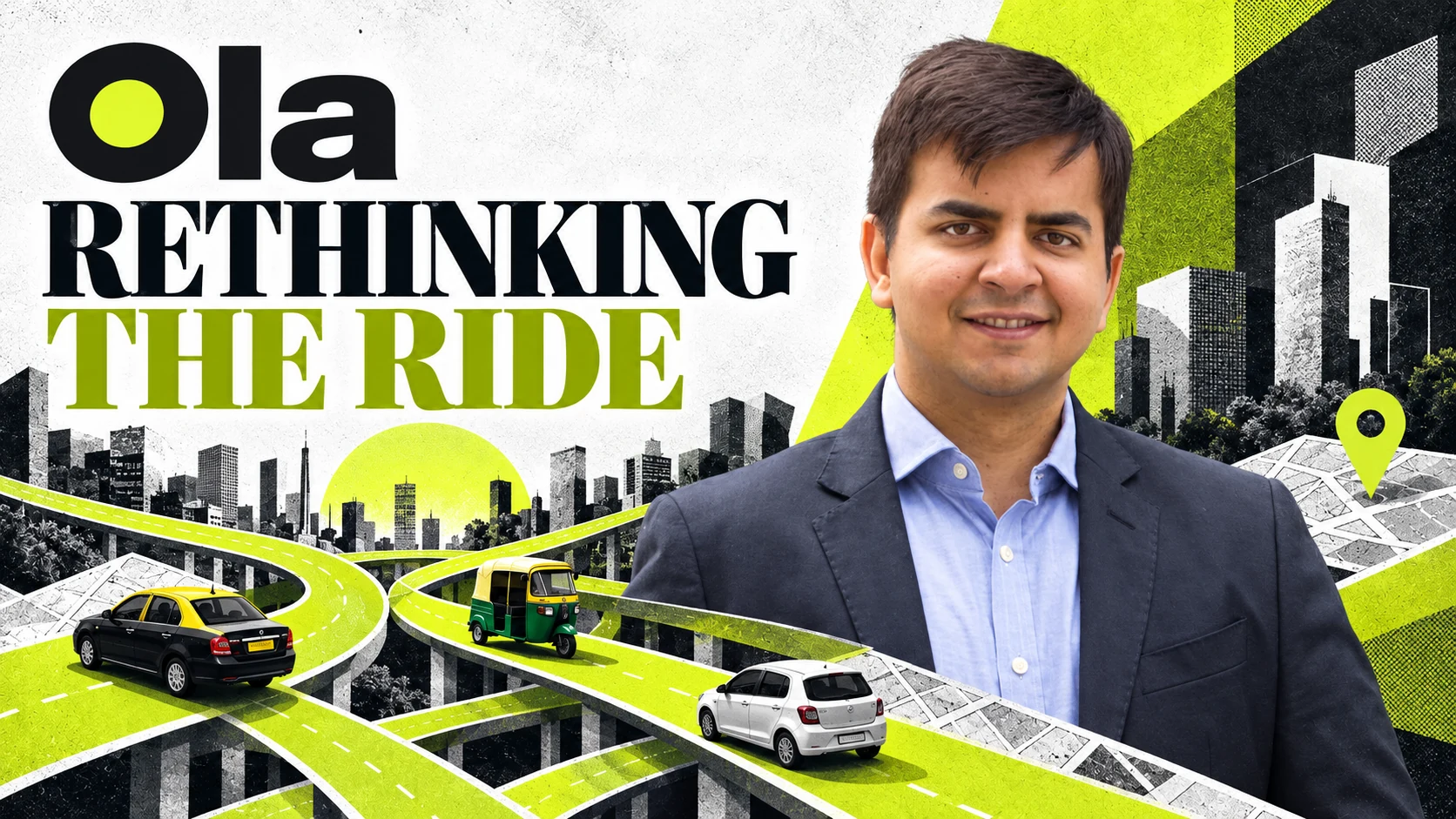
Bhavish Aggarwal and the many moving parts of a ride.
Ola’s founding story is a reminder that a digital marketplace still depends on a physical service.

Ritesh Agarwal’s OYO and the promise of a predictable stay.
The hospitality story centres on a familiar traveller’s question: what will the room actually be like?

Deep Kalra and the journey that took travel booking online.
MakeMyTrip’s early focus on US–India travel shows how a broad ambition can begin with a specific customer corridor.
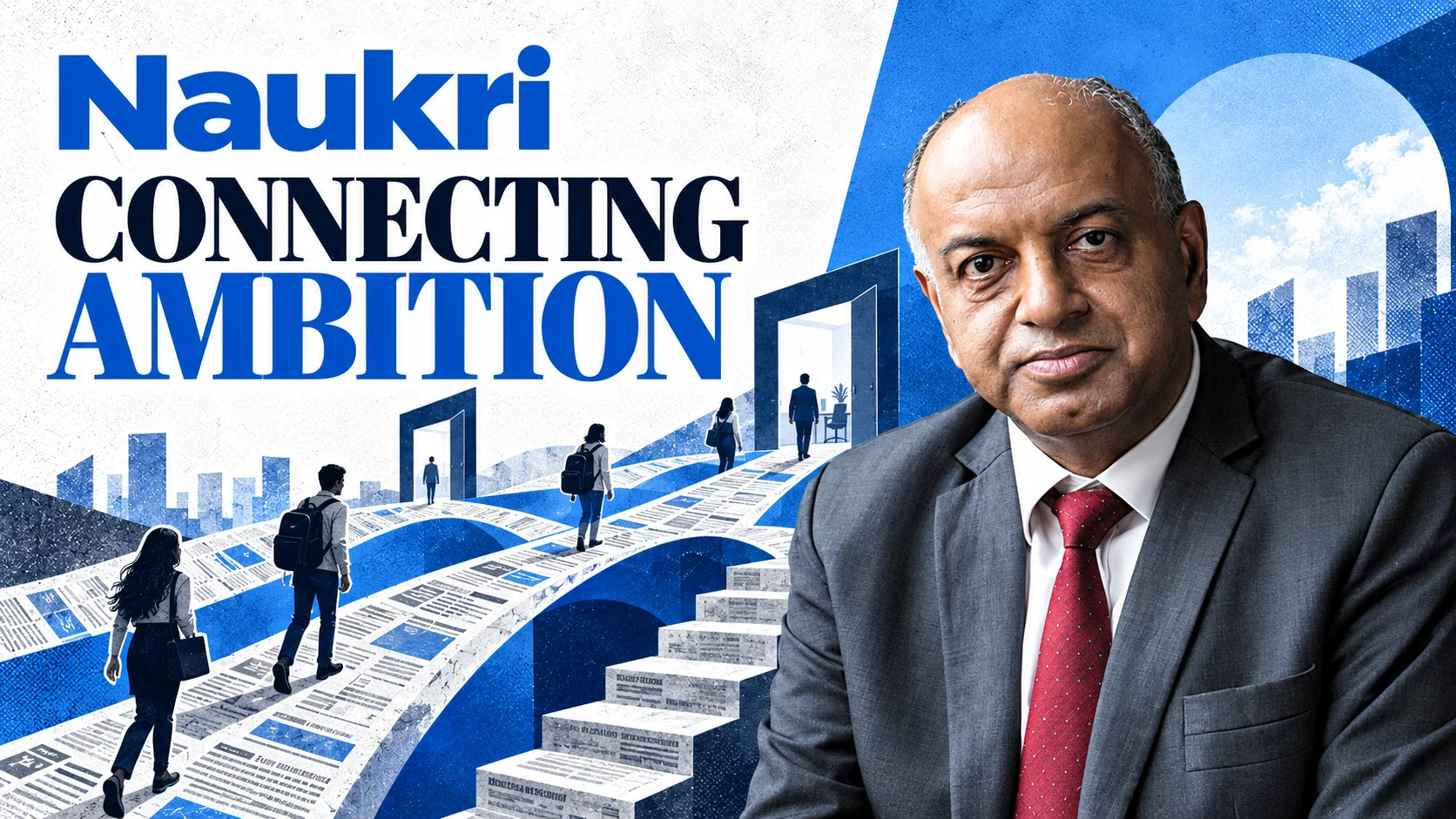
Sanjeev Bikhchandani and the market hidden inside a job search.
Naukri’s beginnings put useful information and repeat demand at the heart of a durable internet business.
Showing 1–12 of 50
What a founder story can teach you.
These 50 profiles explore founders through a concrete business question. They cover consumer companies, software, finance, science, mobility and community building. Each profile links to its public sources, separates the company’s account from our interpretation and includes questions to help you investigate the idea in your own setting.
Start with the original problem
Before asking how a company became well known, ask what its founders understood at the beginning. A frustrating task, an overlooked customer or a difficult information gap gives the story a useful starting point. Notice how that insight differs from the company’s later ambitions.
Follow the work behind the promise
A simple interface can depend on a complicated operation. Look for the teams, handovers and service decisions needed to deliver what the customer expects. These details make a founder journey more useful than a list of funding rounds or a retrospective claim that the outcome was inevitable.
Keep the lesson in context
A choice that helped one company may not suit another market or stage. Use the practical notes as questions to investigate, not instructions to copy. Compare a founder’s account with the evidence cited, and distinguish an origin story from a current assessment of the business.
Good questions, clear answers.
Are these founder interviews?
The current collection consists of profiles based on linked public material, including company histories, founder accounts and institutional sources. We do not claim to have interviewed these founders. Original interviews, when published, will be identified clearly.
Can early-stage and lesser-known founders be featured?
Yes, pitches are welcome from founders at different stages. We look for a clear problem, a specific decision or turning point, useful evidence and something readers can learn. Being famous or having a large funding announcement is not a substitute for a substantive story.