No one builds alone.
The tools, places and support systems that help ideas find their footing. Understand the choices, ask better questions and follow the official sources.
Browse all 67 guides by your next task ↓

Canva’s new AI controls: make room for customer choice
A company spotlight on a fresh product decision, with a practical test for founders: can customers decline a feature and still finish their work?

Enterprise Europe Network: turn a partner search into a specific brief
A manufacturer, distributor and research collaborator solve different problems. Start with the work you need a partner to do, then use the network to investigate the match.

Zoho TouchPoint: the founder’s job starts after the hello
Zoho’s new introduction connects contact sharing with follow-up. For a small team, the useful test is whether the next person has enough context to continue the conversation.
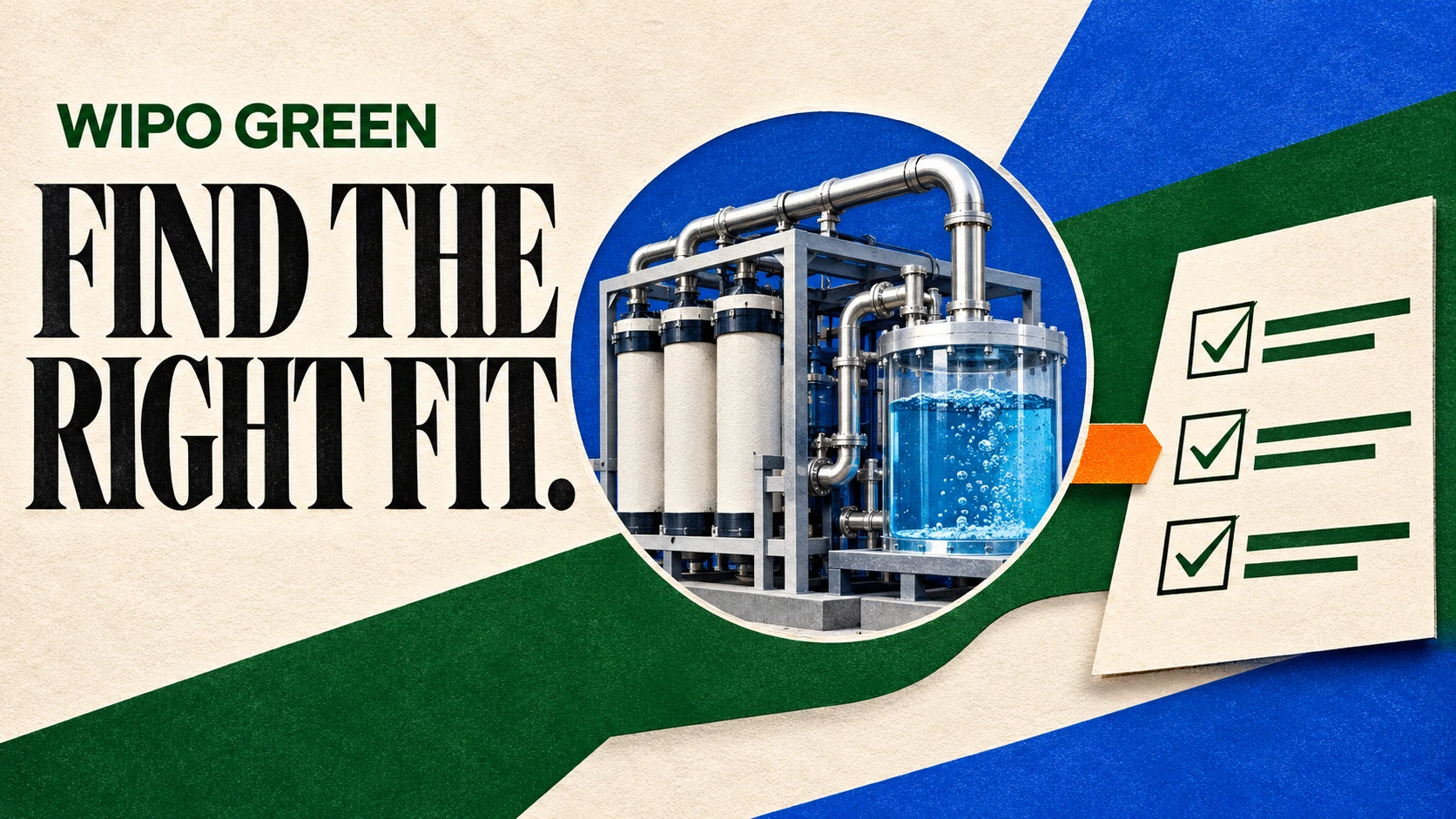
WIPO GREEN: find a technology partner, then test the fit
A climate-tech directory can open a conversation. The founder’s work is to establish whether a solution fits the site, the customer and the next experiment.

Freshworks’ standalone ITAM offer: a lesson in fitting the customer’s existing stack
An October Freshservice update offers a useful company case for founders: solve a defined operational problem without making the buyer replace everything around it.
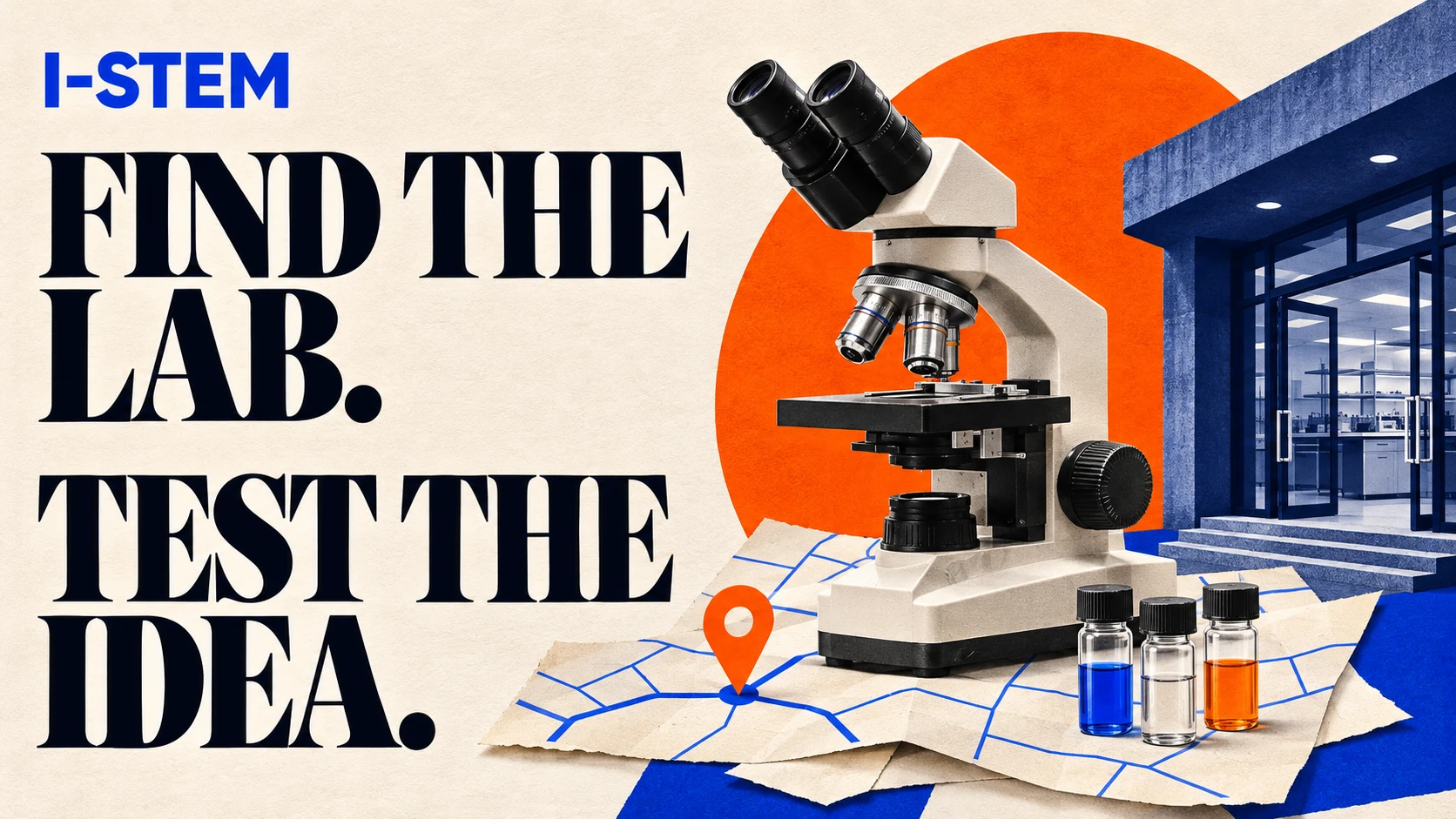
Find the lab before you build one: a founder’s guide to I-STEM
Shared research facilities can help a startup investigate a technical question. The useful work begins with a precise test brief, a suitable facility and a confirmed booking.

Agnikul: the company-building work before liftoff
A Chennai space company offers a useful lesson for founders: a successful test matters most when you can explain what it proves—and what comes next.

Different’s AI marketing launch: test the campaign, not just the content
Ajeet Singh’s new venture targets the work between an idea and a live campaign. For founders, the useful test is whether that whole journey improves.

Onto’s hotel price-drop promise: building trust after checkout
Tracking a cheaper room is the visible feature. Protecting the reservation, explaining the outcome and completing the refund are the service behind it.

Furtilo’s small-town delivery bet: who pays when commission is zero?
The startup’s seed-funding announcement puts merchant subscriptions in focus. For founders, the useful question is how each order supports the service behind it.

Masai’s LEAP founder cohort: what to check before joining
A November cohort puts the focus on building with other founders. Assess the time, total cost and working relationship before making the commitment.

Everyday startup problems: look for the customer who needs you again
A fresh debate about consumer innovation raises a practical question: which ordinary problem is frequent enough, painful enough and workable enough to build around?
Showing 1–12 of 67
A field guide to the startup ecosystem.
A startup ecosystem includes the tools, people, institutions and infrastructure that help companies learn, build and reach customers. Our guides explain these connections through practical questions. Start with what your venture needs next, then use the linked official sources to investigate the relevant route.
Prototype, research & incubation
A technical idea may need equipment, specialist knowledge or a setting in which to test an application. Compare facilities and programmes against a concrete milestone. Admission, laboratory access, mentoring and financial support are separate arrangements, so ask what is actually available to your team.
- NIDHI-PRAYAS and prototypes Published
- BIRAC’s BioNEST network Published
- IIT Madras Incubation Cell Published
Capital, customers & connections
Funding mechanisms differ. A fund of funds operates through intermediaries, an investor evaluates a company and a procurement platform connects suppliers with institutional demand. Understand who makes the next decision and what evidence they need before preparing an application or pitch.
- How a fund of funds works Published
- GeM and public procurement Published
- Evaluating angel-network support Published
Shared infrastructure & regional networks
Payment, commerce and document networks can support many products while assigning different responsibilities to their participants. Regional institutions can connect local knowledge with wider capabilities. In both cases, follow the actual user journey and ask which organisation owns each important step.
- Understanding ONDC’s roles Published
- UPI beneath the app Published
- Kerala’s connected support network Published
Good questions, clear answers.
How do I choose an incubator or startup programme?
Define your stage, the next milestone and the obstacle preventing progress. Compare programmes by relevant facilities, expertise, access, time commitments and current terms. Ask participating founders about specific work they completed with support, and verify the application route with the programme itself.
Do these guides confirm current eligibility or open applications?
No. They explain programme structures and useful evaluation questions. Eligibility, deadlines, funding availability and institutional terms can change. Follow the official source links in each article for current details before making an application or committing resources.
Find support by the work ahead.
Use this directory to find a relevant guide, then follow its official source links for current terms and availability. A programme description explains a route; participation and outcomes depend on the particular venture and process.
Find a place and a network
Investigate the institutions and services you can actually reach. Compare local expertise, facilities and introductions with the work your venture needs to complete.
- Enterprise Europe Network: turn a partner search into a specific briefPublished
- Startup ecosystems beyond the metros: how local support worksPublished
- Bengaluru: what happens when different kinds of talent connect?Published
- T-Hub and the work of making a useful introduction.Published
- Chennai’s research-park model: proximity with a purpose.Published
- Pune’s Venture Center and the support a science startup needs.Published
- Mumbai’s startup story also begins on a campus.Published
- FITT at IIT Delhi: helping an idea leave the laboratory.Published
- Kerala Startup Mission and the value of a connected state network.Published
- StartupTN and the ambition to bring opportunity closer to home.Published
- iStart Rajasthan: making the support landscape easier to navigate.Published
- iCreate and the work of making a difficult technology idea practical.Published
- STPI and the geography of technology entrepreneurship.Published
Build and test a technology
Start with a technical uncertainty. These guides help you ask about laboratory access, prototyping, testing and the work between a research result and a deployable product.
- WIPO GREEN: find a technology partner, then test the fitPublished
- Find the lab before you build one: a founder’s guide to I-STEMPublished
- Agnikul: the company-building work before liftoffPublished
- How to choose a startup incubator in IndiaPublished
- NIDHI-PRAYAS and the value of a first working prototype.Published
- BIRAC’s BioNEST and the infrastructure around a biotech idea.Published
- IN-SPACe and the institutional route into India’s space sector.Published
- iDEX and the importance of a well-defined problem.Published
- IndiaAI and the compute question behind an AI venture.Published
- The National Quantum Mission and a longer technology horizon.Published
- IIT Madras Incubation Cell: building a venture beside research.Published
- IISc’s science-venture network and the path beyond a research result.Published
- SINE at IIT Bombay and the bridge from campus to company.Published
- C-CAMP and the shared toolkit of a life-sciences venture.Published
- Patent information: a research resource before a filing decision.Published
Understand capital and customer access
Identify who makes the next decision. A fund of funds, an incubator, an investor and a procurement platform have different roles, requirements and relationships with a startup.
- RDI Fund’s first cohort: what founders should check before approaching a fund managerPublished
- Bharat Pitchathon 2026: what deeptech founders should preparePublished
- SIDBI’s fund of funds: the capital behind the capital.Published
- The Startup India Seed Fund Scheme and the early-stage gap.Published
- DPIIT recognition: an administrative step with a specific meaning.Published
- GeM and the public-sector customer a startup must understand.Published
- TReDS and the time between making a sale and receiving payment.Published
- Angel networks and the work beyond the first cheque.Published
Use shared digital infrastructure
Map the participants behind the interface and the handoffs in the user journey. Infrastructure access still requires a clear product, reliable implementation and appropriate responsibility.
- ONDC and the roles inside an open commerce network.Published
- UPI and the shared payment infrastructure beneath an app.Published
- Account Aggregators and the permission behind financial data sharing.Published
- DigiLocker and the documents that can move with their owner.Published
- ONEST and the connections between learning and work.Published
- OCEN and the roles behind a credit experience.Published
- DEPA and the idea of consent as part of the architecture.Published
Learn, connect and improve the product
A useful conversation starts with a specific question. These guides cover mentorship, discovery, community and the practical work of making a product usable.
- Canva’s new AI controls: make room for customer choicePublished
- Zoho TouchPoint: the founder’s job starts after the helloPublished
- Freshworks’ standalone ITAM offer: a lesson in fitting the customer’s existing stackPublished
- Different’s AI marketing launch: test the campaign, not just the contentPublished
- Onto’s hotel price-drop promise: building trust after checkoutPublished
- Masai’s LEAP founder cohort: what to check before joiningPublished
- Everyday startup problems: look for the customer who needs you againPublished
- NetApp’s new cohort shows where enterprise AI still needs workPublished
- LinkedIn Top Startups 2026: what founders can learn beyond the rankingPublished
- IBM–MeitY Startup Hub collaboration: plan a pilot that answers a real questionPublished
- MeitY Startup Hub and the connections around digital innovation.Published
- MAARG and the question that makes mentoring useful.Published
- BHASKAR and the practical value of being discoverable.Published
- NSRCEL and the discipline of learning while building.Published
- I-Corps and the questions that take research outside the building.Published
- Open source and the people who make shared software useful.Published
- Accessibility belongs in the product brief.Published
Build access and local enterprise
Look at the steps between an available opportunity and a person being able to use it. Consider the customer, beneficiary, skills, support and everyday operating context.
- Furtilo’s small-town delivery bet: who pays when commission is zero?Published
- Atal Community Innovation Centres and the knowledge close to a problem.Published
- WE Hub and the practical work of building access.Published
- Villgro and the operating model behind a social mission.Published
- Social Alpha and the distance between invention and adoption.Published
- SVEP and the enterprise inside an ordinary village economy.Published
- ASPIRE and the tools that help a skill become an enterprise.Published