The story in brief
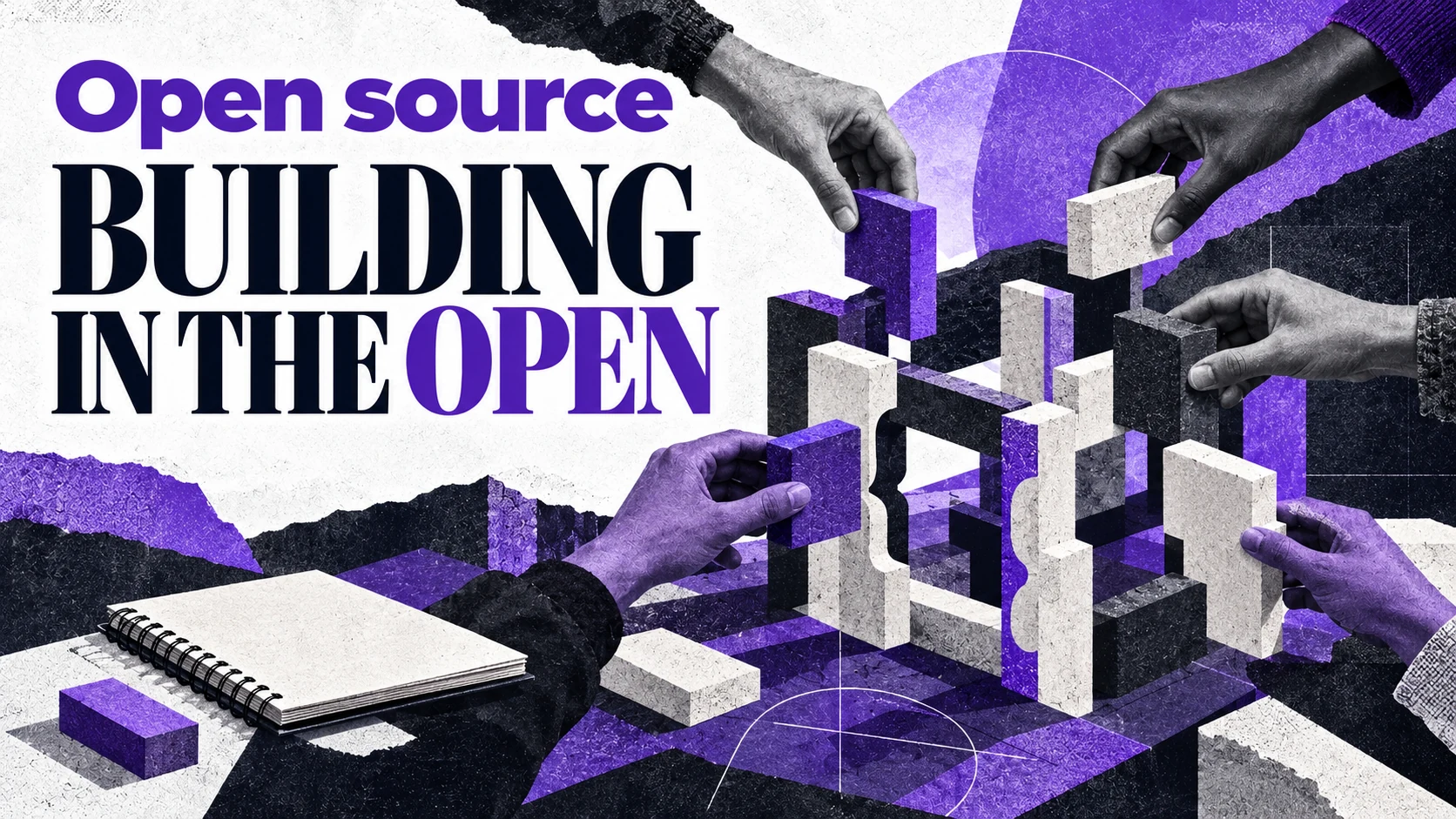
An open-source project becomes a community through documentation, contribution and maintenance. Publishing code creates an opportunity to collaborate; it does not automatically make collaboration easy.
Open-source software is built and maintained by people, and the community around a project needs deliberate care. GitHub’s Open Source Guides address how to launch projects and build welcoming communities. The ecosystem lesson is that publishing code creates an opening for collaboration, not an automatic supply of contributors.
Make the first contribution understandable
A new participant needs to know what the project does, how to try it and where help is useful. Clear documentation and a comprehensible contribution process reduce the effort of joining. A thoughtful response to an issue can make the project easier to work with even when the maintainers cannot immediately solve it.
Maintenance is part of the promise
Our editorial view is that a startup using or publishing open-source work should account for the people keeping it dependable. Understand the project's licence, update practices and support expectations rather than treating availability as a guarantee of future maintenance. Contributing improvements can strengthen a shared resource while helping the company learn its dependencies more deeply. A healthy community makes responsibilities and limits visible.
Try the project as a first-time contributor
An experienced maintainer can overlook missing context because the project is already familiar. Follow the path from discovering the repository to running it and proposing a small change. Which instructions are unclear? How does someone learn what kind of contribution is welcome? A founder depending on an open-source community should treat this first interaction as real product work. Maintenance also involves reviewing requests and explaining decisions, including when an idea does not fit. A welcoming environment is sustained by consistent behaviour and useful guidance. The business lesson is to plan for the work of participation rather than treating contributors as a resource that appears as soon as code becomes public.
Put the idea to work
Use these questions to investigate the idea in your own context.
- Test setup instructions with someone new to the project.
- Make contribution expectations and project scope easy to find.
- Plan time for reviewing issues and explaining decisions.
A closer look
Does making a repository public automatically make it a healthy open-source project?
No. People also need clear licensing, understandable documentation and a workable way to participate. Community health depends on continuing maintenance and interactions. Use the linked Open Source Guides to investigate these responsibilities in more detail.
Sources & editorial note
This guide draws on the sources below. Our practical questions and analysis are editorial interpretation. Historical documents describe their own period; use current official programme information for availability, terms and applications.
- Open Source Guides: building welcoming communities
- Open Source Guides: launching and sustaining projects
See our editorial standards or request a correction. For another perspective, read A different kind of ambition: the Zerodha story