The story in brief
Kerala Startup Mission provides a gateway into a range of entrepreneurship resources. Founders gain more from the network when they identify the next relevant programme and its actual entry route.
Source starting point: Kerala Startup Mission: role, programmes and ecosystem resources ↗. Full sources and context appear below.
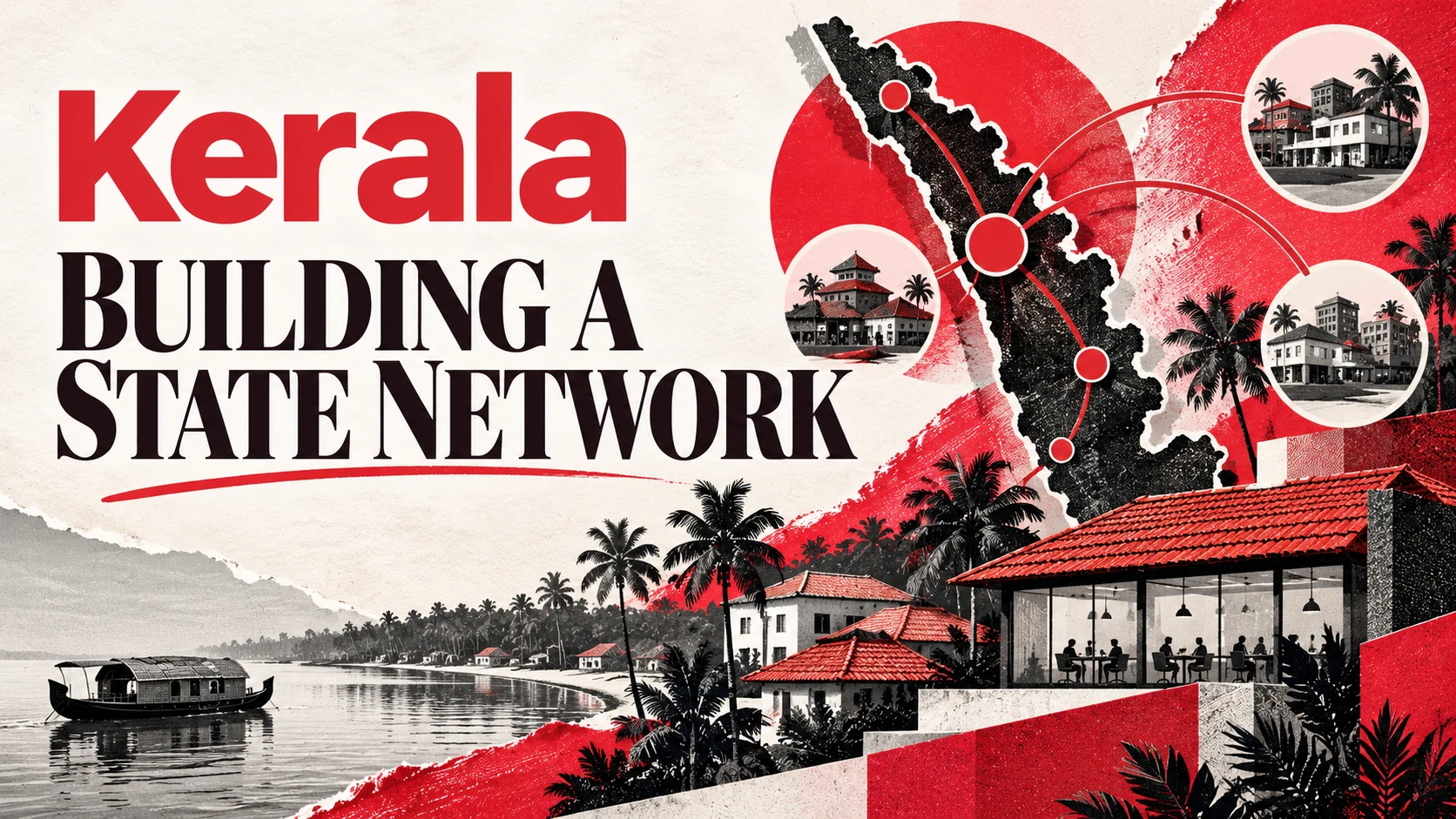
Kerala Startup Mission identifies itself as the state government’s nodal agency for entrepreneurship development and incubation. Its public platform brings together incubation, mentoring, workspaces, research connections and routes to markets. The range illustrates how a state ecosystem can involve many institutions and several stages of a venture.
The handover matters
A founder’s needs can move from an initial idea to a prototype, then to a pilot or a first customer. A network is useful when the next part of that journey is discoverable. A list of programmes helps only if people can understand which one fits their stage and how to approach it.
Start with a clear support request
Our suggestion is to describe the next result the company needs before browsing every available initiative. A team seeking equipment access has a different request from one preparing for a market introduction. KSUM’s programme descriptions can help narrow that search. Confirm the current terms with the relevant programme rather than treating the umbrella platform as a single entitlement to funding or workspace. The ecosystem story is the quality of the connections between these resources.
Follow the handover between programmes
A founder may move from an idea-stage conversation to prototyping and then need a market introduction. The useful test of a connected network is whether that next step is understandable. Keep a record of the programme contacted, the stage it serves and the evidence it asks for. If it does not fit, ask where the more relevant resource sits rather than forcing the venture into the wrong application. A state platform can make discovery easier while individual programmes retain their own conditions. This is why the founder’s request should be concrete. A short milestone brief often creates a more useful conversation than a general request for every form of startup support.
Use the network as a sequence of next steps
A broad support portal can feel like a catalogue of opportunities without an obvious starting point. Begin with the venture’s present stage and the next piece of evidence it needs. An idea-stage team may need customer conversations, while a company with a tested product may need a route to a buyer. Record the programme name, responsible institution, current call and application requirements separately. An old announcement can explain the history of an initiative but should not be treated as an open invitation. Ask for the current route when the public information is unclear.
A practical next-step checklist
Use these questions to investigate the idea in your own context.
- Create a short venture brief with stage, location, product and the next measurable milestone.
- Match that brief to the current programme description and contact the stated programme team.
- Keep a record of eligibility evidence, dates and follow-up actions for each opportunity.
A closer look
Does being in a state startup network guarantee funding?
No. Discovery, mentoring, incubation and funding are different processes. Use the official programme details to understand the relevant conditions and selection process. An umbrella platform is not a single entitlement to every resource it lists.
Sources & editorial note
This guide draws on the sources below. Our practical questions and analysis are editorial interpretation. Historical documents describe their own period; use current official programme information for availability, terms and applications.
See our editorial standards or request a correction. For a useful comparison, read Sridhar Vembu: the Zoho founder story. Explore the founder topic guides for connected reading paths.

